Your Wichita home insurance needs stays current with increasing rebuild costs and severe wind-hail damage. Select comprehensive replacement protection for your house and belongings, incorporate building code protection, and itemize high-value possessions. Carefully set deductibles, check wind-hail percentage triggers, and document roof condition; Class 4 or metal roof materials can earn significant discounts. Coordinate Coverage A/B/C with local rebuilding costs, maintain comprehensive lists, and bundle policies for discounts. Evaluate A-rated carriers and independent agents based on claims history and severe weather handling. Keep going to see how to finalize these protections.
Essential Points
- Select insurers with a strong reputation for handling claims, quick catastrophe response, and established local contractors for dealing with the city's severe weather events.
- Review property coverage annually; utilize area construction estimates to align with increasing construction and supply expenses.
- Select replacement value protection for your house and belongings; remember to include law and ordinance protection and list high-value possessions.
- Mitigate wind‑hail risk with Class 4 shingles, reinforced garage doors, and scheduled roof maintenance for premium credits.
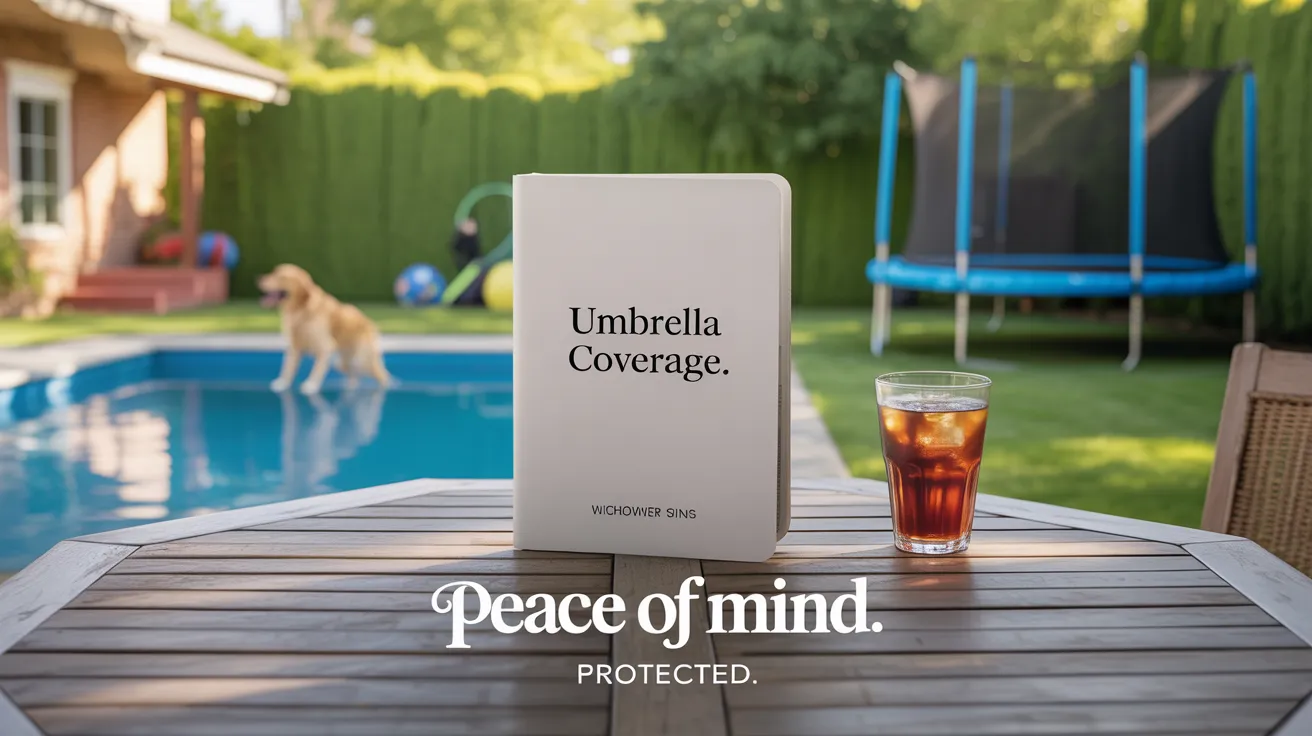
- Establish liability coverage at $300k-$500k (consider including an umbrella policy); combine home-auto policies and install monitored security systems for dependable discounts.
Why Wichita's Housing Market Changes Impact Your Policy
While Wichita's housing market shifts, your homeowners policy must evolve with market values, construction costs, and local risk factors. It's crucial to track market trends because changing property values, material availability, and contractor rates directly influence your home's replacement value. When rebuilding costs increase, your risk of being underinsured grows; on the other hand, when expenses drop, you can reduce premiums without compromising coverage.
Evaluate property limits, replacement value factors, and inflation safeguards yearly. Analyze insurers' evaluation systems and request updated reconstruction estimates based on area-specific labor and materials pricing. Reevaluate deductibles to optimize coverage costs with liquid assets. Monitor local developments-renovation booms, crime patterns, and weather exposures-to modify policy add-ons and claim conditions. Schedule semiannual check-ins so your coverage stays current, effective, and justifiable.
Essential Coverages Every Wichita Homeowner Should Know
Insurance coverage fundamentals include these fundamental coverages: dwelling coverage for home reconstruction, protection for other buildings including outbuildings and fences, protection for your personal possessions, temporary housing coverage when your home is uninhabitable, liability protection for damages you cause, and medical payments coverage for guest injuries. Always configure dwelling coverage limits according to rebuilding expenses, instead of sales price, and enhance protection with ordinance or law coverage for building code updates. Don't forget to schedule high-value possessions beyond standard coverage limits.
Choose replacement cost insurance, rather than actual cash value, for your home and possessions. Coordinate liability protection with your overall wealth and think about an umbrella plan. Improve your protection plan with home disaster preparedness: document your belongings, refresh your documentation, and follow a periodic maintenance checklist to lower claims frequency and secure better pricing.
Severe Weather Exposure in Kansas's South-Central Region
Time and again, South-Central Kansas exposes your roof and budget to intense challenges with dangerous hail, high-velocity winds, and tornadoes. You experience regular spring supercells, wind bursts exceeding 60 mph, and hailstones that damage shingles, damage gutters, and break windows. Emphasize hail preparedness: hail-resistant roofing, fortified garage doors, protected outdoor equipment, and photographic records of exterior surfaces. Trim trees, fasten trampolines, and confirm sump pump function to counter wind-driven rain.
Upon hearing sirens, implement these tested tornado safety measures: innermost room on the ground level, hard hat and durable shoes, and a whistle or air horn for alerting rescuers. Maintain a go-bag with insurance documents, photographs, charging devices, and medical supplies. Confirm your provider's claims contact, preferred contractors, emergency accommodation options, and cleanup protocols ahead of storm season.
Comparing Replacement Cost and Actual Cash Value: Which Option Is Best
Among the key choices influence your claim check more than deciding between Replacement Cost (RC) or Actual Cash Value (ACV). RC provides coverage to rebuild or replace with new materials of similar type and quality, without factoring in depreciation. In contrast, ACV factors in depreciation, forcing you to pay for the shortfall. In a policy comparison, RC usually has higher premiums but helps safeguard your budget after a loss.
Let's examine real-world examples: a roof valued at $18,000 after 15 years of use. RC ensures complete replacement costs after your deductible, but ACV typically offers $9,000 if depreciation reaches 50%. For interior water damage, RC pays for brand new cabinets and flooring at present-day rates; ACV pays their depreciated value. Choose RC when you want consistent coverage amounts; choose ACV when lower premiums outweigh partial coverage.
Understanding Deductibles, Wind-Hail Endorsements, and Storm Coverage
Since Wichita weather can turn on a dime, your deductible setup is just as important as your coverage limit. You'll usually pick a flat-dollar deductible for most claims, but wind-hail endorsements frequently feature separate, percentage-based deductibles linked to your dwelling value. Know your policy triggers: some insurance providers apply the wind-hail deductible exclusively when a named peril or specific meteorological threshold is reached; others implement it for any wind-driven loss. Analyze storm exclusions thoroughly-cosmetic roof damage, matching issues, or wear-and-tear may not be covered, shifting more cost to you. Confirm whether the separate storm deductible is calculated per event or per occurrence year, and how it impacts claim frequency surcharges. Select a deductible you can pay today without risking future repairs.
Understanding Coverage Limits: Dwelling, Other Structures, and Personal Property
Before looking at different insurance costs, you need to determine the right coverage levels for each coverage category: your main dwelling (A), additional structures (B), and personal belongings (C). Begin by determining the true replacement cost for your Wichita home, instead of its market price. Use a replacement-cost estimator and update it following home improvements. For Coverage B, assess the total square footage and materials of outdoor structures, fencing, and storage buildings; adjust coverage amounts if premium materials raise replacement costs.
To ensure comprehensive Coverage C coverage, select replacement cost coverage for your contents and maintain records of your valuables. Apply thorough inventory techniques including systematic room photography, documented serial numbers, and receipt records stored in cloud storage. Specifically document valuable items that exceed standard sublimits. Evaluate coverage limits each year to account for contractor pricing, inflation and newly obtained items. Coordinate policy endorsements from the start to guarantee policy provisions align properly.
Liability and Medical Payments Considerations for Kansas Homes
It's important to set personal liability limits adequate to protect your assets from litigation resulting from injuries or property damage you're liable for. Pair that with medical payments coverage that covers minor, no-fault medical bills for people who suffer injuries on your property, enabling quick resolution of claims. We'll determine Kansas-appropriate limits and alignment with umbrella policies so you're protected accurately, without uncertainty.
Individual Liability Thresholds
While structural coverage rebuilds your home, liability coverage defends your assets when someone gets hurt or property is damaged on your premises. Choose coverage limits that match your assets and risk exposure: property value, investments, earning potential, and daily hazards. Keeping dogs, swimming pools, vacation rentals, or hosting events increase the risk of guest injuries or legal disputes. Start with at least $300,000, but $500,000 provides better protection in Wichita's lawsuit landscape. If your assets exceed your coverage amount, extend your coverage with umbrella insurance of $1-5 million or greater; the coverage is economical per dollar and provides for legal defense costs, compensation, and judicial awards. Assess deeds, bank records, and liability waivers yearly. Update coverage after renovations, new purchases, or life changes to stay adequately protected.
Medical Payments Coverage
For mere pennies, you can have peace of mind with Medical Payments to Others ("Med Pay") on a Wichita homeowners insurance plan. Med Pay covers customary medical costs if a guest is injured on your property-regardless of fault. You'll resolve minor injuries quickly, ease concerns, and help avoid litigation. Be thoughtful when picking limits; $1,000 is standard, but $5,000-$10,000 gives you more coverage when medical expenses accumulate.
Know about when to file claims. Report incidents right away, record what occurred, obtain witness contact details, and preserve itemized invoices. Your insurance provider handles qualifying costs including ambulance services, wound treatment, and medical assessments, but doesn't cover people in your home or regular checkups. Coordinate Med Pay with your personal liability coverage to shield yourself from bigger expenses, and review limits following home improvements, getting new pets, or frequent entertaining.
Money-Saving Strategies Without Compromising Security
Extend your coverage expenses more effectively by implementing intelligent savings and combining policies without compromising essential coverage. Begin with a home and auto combination to access multi-policy discounts. Add device-based savings: security systems, water detection devices, and Smart thermostats that minimize hazards and prove responsible upkeep. Look into accident-free and paperless billing credits, complete payment benefits, and customer appreciation benefits for loyal policyholders.
Increase your deductible thoughtfully to lower premiums, but establish an emergency fund equal to the new deductible. Focus on enhancing protection where it counts most - full replacement value for dwelling and personal property - then eliminate unnecessary add-ons you don't require. Make sure each discount shows up on your declarations page and check yearly for additional discounts. Get quotes from multiple carriers, but match coverage details exactly: identical coverage limits, endorsements, and loss-settlement terms. This approach will help you save money while maintaining strong coverage.
How Roof Age, Materials, and Upgrades Impact Insurance Premiums
Older roofs typically result in higher premiums, as providers calculate potential leak risks, decreased wind resistance, and reduced lifespan. You can reduce your insurance costs by selecting durable materials like impact-resistant shingles, metal roofing, or tile certified for severe weather conditions in Wichita. Upon roof renovation, be sure to document all permits, manufacturer specifications, and installation dates to release credits and maximize savings.
Older Roofs Lead to Higher Rates
While your home's foundation may be solid, a deteriorating roof can gradually raise your Wichita homeowners insurance premium up. Insurance companies examine how old your roof is because aging shingles crack, curl, and shed granules, leaving the underlying materials vulnerable to water. That degradation raises claim frequency from leaks, interior damage, and mold. Insurance companies factor this into rates, so you experience rate increases as your roof approaches the end of its lifespan.
Underwriters frequently identify ventilation issues. Inadequate attic ventilation results in excessive heat buildup and ice dam formation, reducing shingle lifespan and increases loss severity. You can mitigate these issues with documented maintenance: install new flashing where needed, seal roof openings, maintain clean gutters, and verify roof status after severe weather. Submit verification including receipts, images, and roof assessments. This maintenance strategy shows lower loss potential and helps secure improved coverage terms.
Material Durability Analysis
Those upkeep steps are more significant when combined with long-lasting materials. Insurance providers determine your policy by evaluating roof performance over time, so they scrutinize material durability, moisture resistance, and substrate compatibility. If your shingles, underlayment, and decking function as one cohesive system, you decrease potential failure points and insurance claims, which can result in lower premiums.
It's essential to maintain detailed records of maintenance records and keep receipts for inspections, sealant refreshes, and flashing maintenance. Insurance companies interpret these records as verification that you systematically handle wear, not only reacting to it. They also assess how well your roof handles Wichita's severe weather conditions; superior water protection and durability ratings suggest fewer leaks and mold losses. Moreover, compatibility is crucial: combining metals with unsuitable substrates can increase corrosion, while properly matched systems preserve integrity and help control your insurance expenses.
Cost Savings Through Roof Upgrades
Upgrading your roof is one of the quickest ways to reduce Wichita home insurance rates because insurance companies assess risk based on age, material, and impact resistance. New roofs minimize damage risks, so carriers provide incentives with lower premium costs and budget-friendly wind/hail deductibles. Opt for Class 4 impact-resistant shingles to minimize hail damage; many insurance companies extend 10-30% savings. Metal and concrete tile roofing typically qualify for bigger savings than traditional 3-tab asphalt shingles.
Discuss with your roofing professional regarding energy-saving shingles that lower attic temperatures and might offer tax credit qualification, combining utility cost reductions with insurance deductions. Maintain records of permits, manufacturer certifications, and installation dates, then submit them to your insurance provider. Install secondary water barriers, drip edge, and ice and hurricane shingle starters to further lower risk and strengthen your renewal pricing.
Understanding Local Insurance Companies and Independent Representatives across Wichita
Sort through the options by analyzing Wichita's home insurance selections between local insurers and independent agents. Local insurers typically offer quick claims resolution, in-house adjusters, and comprehensive community knowledge. You'll get prompt service during weather events and tailored endorsements for aging houses near weather zones. Their community outreach fosters trust, but insurance products can be limited and pricing less negotiable.
Insurance professionals partner with multiple A-rated insurance companies on your behalf. Their professional connections allow you to compare crucial aspects such as storm damage coverage, roof construction benefits, replacement cost provisions, and regulatory compliance coverage in a single discussion. You'll obtain leverage regarding costs and insurance solutions, but service levels differ between providers. Make sure to ask about catastrophe response times, roof coverage specifications, and claim advocacy services. Next compare total premium costs, insurance claim track record, and improvement credits—select the partner that shows both expertise and reliability.
Frequently Asked Questions
Does Wichita Insurance Cover Short-Term Rentals Like Airbnb or VRBO?
Yes, but standard homeowners insurance policies generally don't cover business activity, so you'll need an endorsement or a dedicated short‑term rental policy. Ask for coverage that covers liability for short-term rentals, liquor liability coverage, income loss protection, and property coverage. Check requirements for guest verification, local laws, and property management standards. Document safety features, set up electronic access controls, and maintain service records. Check policy restrictions for gatherings and pet allowances. Obtain written documentation prior to advertising.
Are Sump Pump and Sewer Backup Damages Covered by Default?
No, standard policies typically don't include this. Like a message from the future, you'll need a special endorsement for sump backup or pump failure. Standard policies generally exclude water damage from drain backups and sump pump malfunctions. Make sure to obtain a water backup rider, pick suitable coverage limits, and confirm coverage specifications, including triggers, waiting periods, and exclusions. Take action now, as insurance providers may limit endorsement availability after previous claims or when heavy rainfall is predicted.
How Do I Insure Business Equipment in My Detached Home Office or Studio?
It's possible to get insurance for detached home offices or studios containing business equipment. Business property has restrictions under standard homeowners policies, requiring additional endorsements. Protect high-value tools through an equipment floater while increasing property limits for items both on and off the premises. If clients visit your remote workspace, consider liability coverage or a home-based business policy. Ensure you're covered for accidental damage, theft, and business interruption, and keep detailed records including serial numbers, receipts, and photos for efficient claims processing.
How Do Insurance Companies Handle Claims for Concurrent Hail and Flood Incidents?
You need to file separate claims for hail and flood events, since standard policies don't cover flood. Start your claims immediately, catalog damage according to cause, and work to avoid further loss. The claims adjusters will investigate simultaneously, determine repair allocations, and handle deductibles per incident. If you maintain NFIP or private flood protection, that provider handles flood damage claims. Anticipate different settlement timelines: hail-related claims often pay within weeks; flood claims may take longer, based on damage assessments, loss verification and contractor estimates.
Are Code Upgrades Required by Wichita Building Ordinances Covered by Insurance?
This is covered if you carry Ordinance or Law coverage. Standard homeowners policies don't automatically cover building code upgrades. Include this coverage to protect against demolition, increased construction costs, and disposal of unaffected sections required by Wichita's building code. Review your policy's maximum coverage, as code compliance expenses may rapidly surpass basic coverage. Consult your insurance representative about matching coverage with your home's age, materials, and risk profile, and verify what's not covered prior to filing.
Concluding Points
There are several possibilities when it comes to Wichita insurance coverage, but random decisions won't cut it. Lock in essential coverages, select replacement cost instead of ACV, and set reasonable deductibles-especially for storm-related claims. Meticulously review roof conditions and materials with the same attention as an expert evaluation, because nature won't compromise. Package coverage for savings, but confirm insurance boundaries align with current legal risks. Research and compare local carriers and independent agents, then take action. The best get more info time to optimize your policy was yesterday, but today is the next best option.